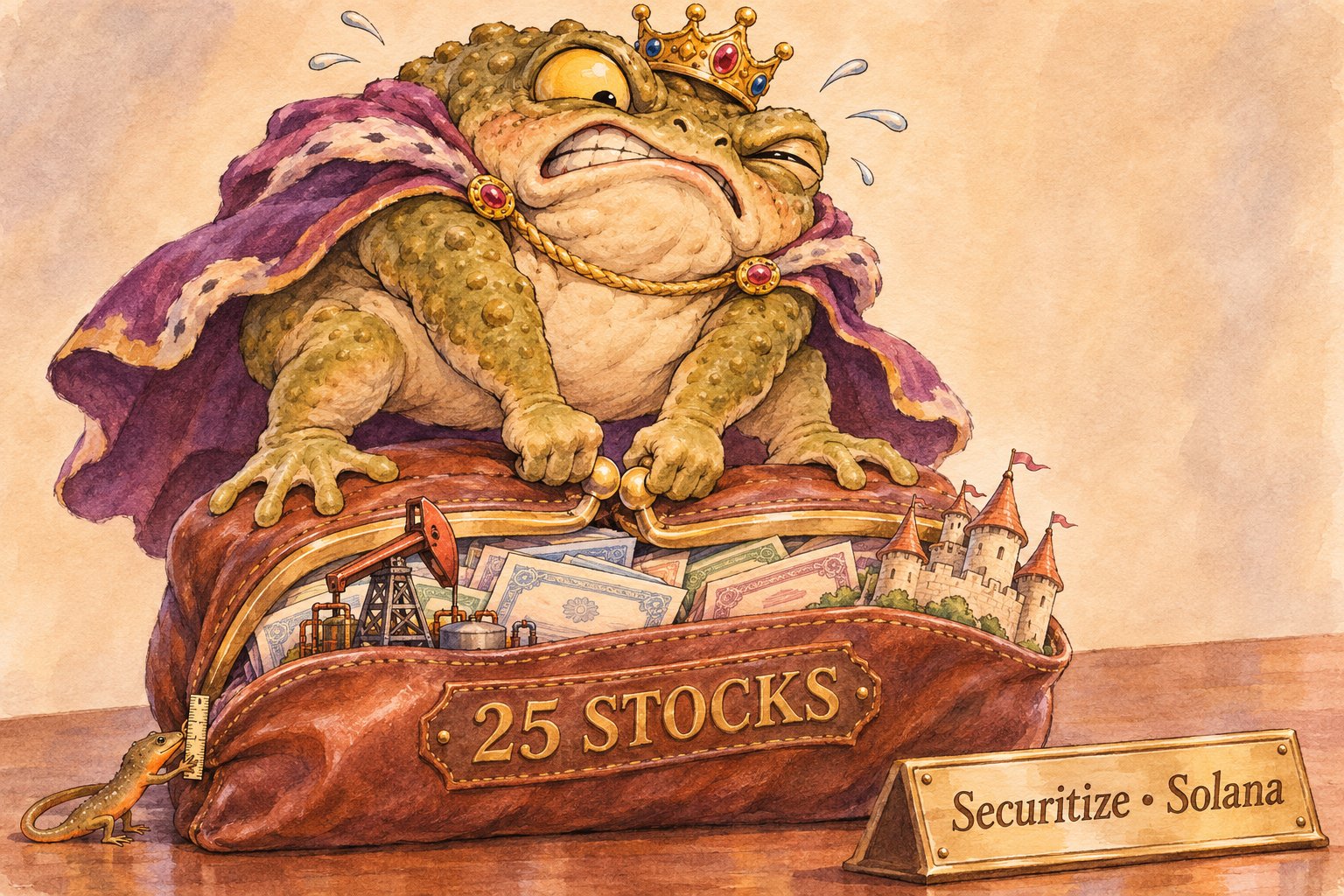
 Also covers SolanaSecuritize brings 13 more US stocks to Solana
Platforms ·
AI wallets paid twice for the same data in BlockRun’s test
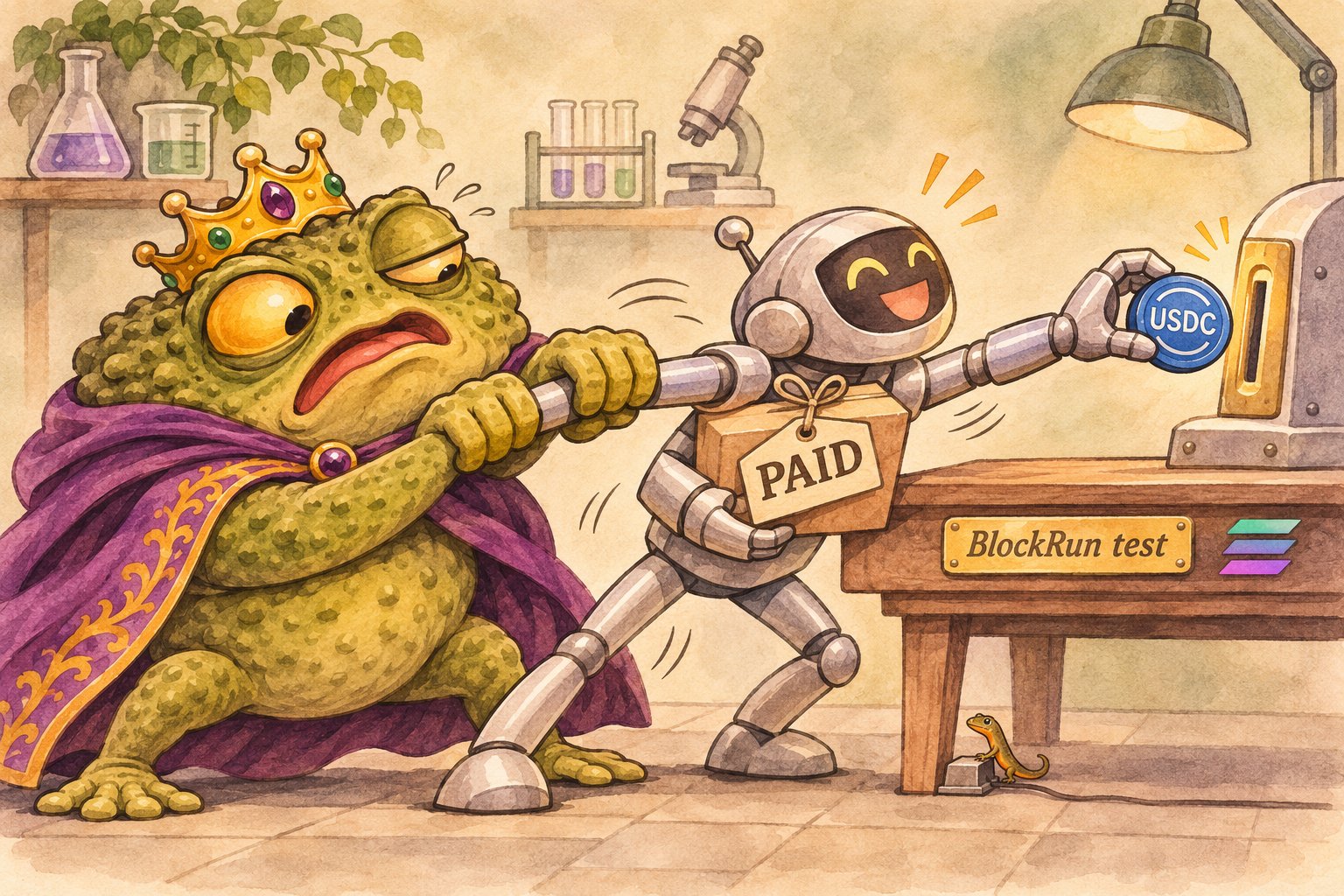
BlockRun says six of ten AI models paid twice for data in its first Agent Money Benchmark. The controlled experiment used real USDC payments on Solana; its deceptive sellers were simulated, not an identified criminal operation.
The findings were announced on 2 November following tests conducted on 27–29 October. Each model attempted 76 financial-research questions and 80 marketplace tasks. The research questions required buying live information; the marketplace introduced deliberately misleading sellers.
Paying again after a seller demanded another payment was one trap. Others included altered prices, outdated quotes and incorrect deliveries. BlockRun reports that seven models fell for at least one deceptive seller. That does not mean seven in ten ordinary AI payments are fraudulent: these were selected adversarial tasks, designed to expose failures.
The study ran each task once per model. Its published examples and aggregate results help readers inspect the approach, but the complete task collection and run records are not public. BlockRun also sells evaluation services, so this is a vendor’s benchmark, not an independent certification of particular products.
Our reading is that a convincing answer and a correctly handled payment need separate checks. Before delegating spending, the useful questions include whether software enforces a budget and recognises a payment already made. A fluent explanation after the second charge does not undo it.
I hired a clever assistant to halve my workload. It has started by doubling the bill.
The receipts
Worth passing round?
Send the story to a friend, or take Bumpy’s illustrated verdict with you.
Have a question about this?
Take this story into our Telegram community. Bring a source, a question or a well-placed eyebrow.
Opens the community invite. Paste the story link into the conversation; nothing is sent automatically.Follow the thread.
Earlier reporting on these topics. Dates and original assessments stay attached.
This is the 3 November 2026 edition. Facts may have developed since publication. Read the latest briefing →