 Also covers Solana · FomoPump and Fomo race for your thumb. Choose a finish line.
Platforms ·
Solana cashtags on X now lead into fomo's trading screen

fomo and Solana announced on 10 November that X users can move from a Solana token's cashtag to trading it through fomo. The shortcut connects a market-data card to an external trading app; selecting a ticker does not itself complete a purchase.
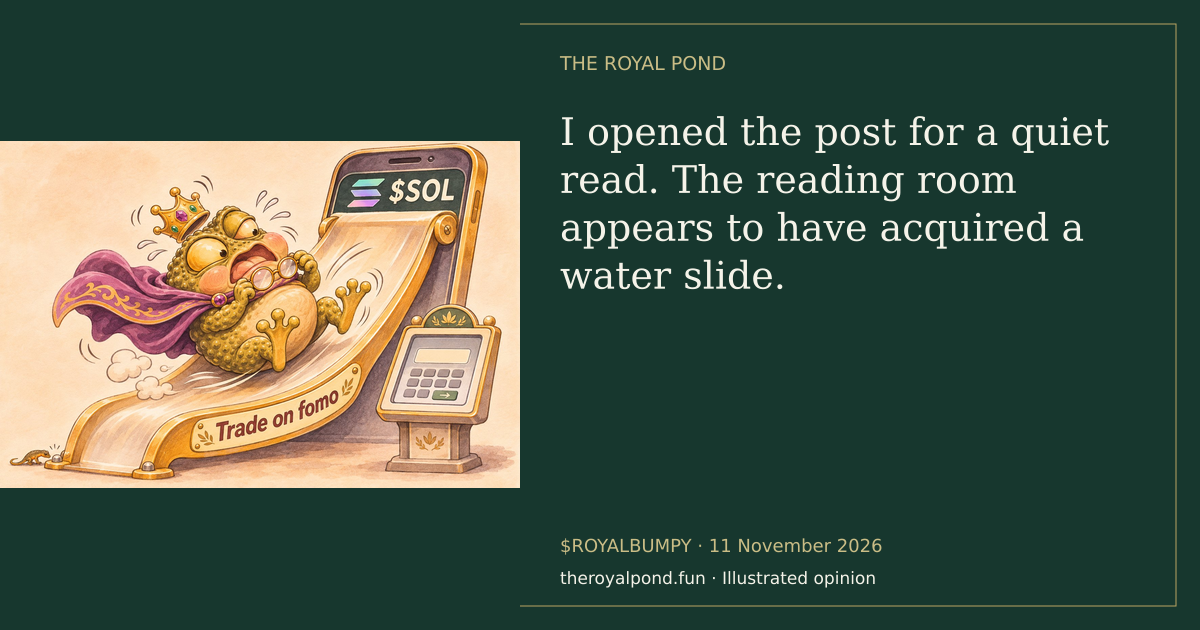
The published demonstration starts with a cashtag such as $SOL, opens the token's price card and offers a Trade on fomo button. The following screens belong to fomo, where the user can view the token and enter an amount. This shortens the search between a social post and an order screen. X supplies the route into the service; fomo handles the trading process.
The announcement describes support for all Solana tokens. It does not provide a country-by-country availability list or a complete device and fee breakdown. We could cross-check the announcement through independent reporting, but direct reads of the linked X posts were restricted, and we have not independently tested every token or region.
For readers, the useful change is discovery with less navigation. It also makes the gap between seeing a persuasive post and reaching a trade much smaller. The contract address still identifies the asset more reliably than a familiar ticker, and the price card does not establish liquidity, project quality or whether the asset suits the reader. The rollout is about access to an existing trading destination, rather than an endorsement of the tokens mentioned on X.
I opened the post for a quiet read. The reading room appears to have acquired a water slide.
The receipts
Worth passing round?
Send the story to a friend, or take Bumpy’s illustrated verdict with you.
Have a question about this?
Take this story into our Telegram community. Bring a source, a question or a well-placed eyebrow.
Opens the community invite. Paste the story link into the conversation; nothing is sent automatically.Follow the thread.
Earlier reporting on these topics. Dates and original assessments stay attached.


This is the 11 November 2026 edition. Facts may have developed since publication. Read the latest briefing →